What Makes Falafel Authentic in Syrian Cuisine? A Guide from a Syrian Family Kitchen


Falafel is one of the most recognizable foods in the world, and one of the most argued about. Who invented it? Chickpeas or fava beans? Green inside or beige? Round balls or flat patties? Ask ten people from across the Middle East and you'll get ten confident, passionate, and slightly different answers.
So what makes falafel truly authentic in Syrian cuisine? This guide breaks down the ingredients, the technique, the history and the telltale signs of the real thing, from the perspective of a Syrian family kitchen that has been making falafel in Etobicoke since 2019.
A Short History of Falafel
Falafel's exact origin is debated. Many food historians trace the dish to Egypt, where a version made from fava beans (called ta'amiya) is the national street food. As the dish spread north through the Levant — Syria, Lebanon, Palestine and Jordan — cooks adapted it using locally preferred ingredients, and the chickpea became the dominant base in the Levantine versions most North Americans know today.
What's clear is that falafel has been a staple of Middle Eastern street food and home kitchens for generations, valued because it's cheap, filling, plant-based and delicious.
The Core of Authentic Syrian Falafel
Chickpeas, soaked — never canned
This is the single biggest rule. Authentic falafel is made from dried chickpeas soaked overnight and ground raw, never cooked first and never from a can. Canned or pre-cooked chickpeas turn to paste and produce dense, gummy falafel that falls apart in the fryer. Raw soaked chickpeas hold their texture and give falafel its signature light, slightly crumbly bite.
Fresh herbs, lots of them
Fresh parsley and coriander (cilantro) are what give authentic falafel its vibrant green interior. A beige or brown centre usually means too few herbs and too many dried spices. When you bite into good falafel and see green, you're looking at the herbs doing their job.
Onion and garlic
Raw onion and garlic ground into the mixture add depth, moisture and savoury backbone.
Spice, but not too much
Cumin and coriander seed are the classic spices. Authentic falafel is seasoned thoughtfully, not drowned in spice. The herbs and chickpeas should still be the stars.
A touch of leavening — or none
Some cooks add a pinch of baking soda or similar leavening to lighten the texture. Others rely entirely on the texture of the raw ground chickpeas. Traditional approaches vary by family, and that's part of what makes it a home recipe.
No flour or egg binders needed
When the chickpeas are ground correctly and the mixture is properly rested, it holds together on its own. Heavy use of flour or egg as binders is a shortcut that can make falafel dense and bready.
The Technique That Separates Good from Great
Grind to the right texture. The mixture should be like coarse, damp sand — not a smooth paste. Over-processing makes falafel dense; under-processing makes it fall apart.
Rest the mixture. Letting it chill for a while lets flavours meld and helps the falafel hold its shape.
Fry hot and fresh. Properly hot oil gives the crisp exterior without letting the falafel soak up grease. Great falafel is served soon after frying, while the shell is still crackling.
Shape with care. Falafel can be balls, discs or small patties depending on family tradition. The shape matters less than the texture.
How to Spot Authentic Falafel
When you're out looking for the real thing, check these signs:
✅ Green interior from fresh herbs
✅ Crispy exterior with a satisfying crackle
✅ Light, slightly fluffy centre, not dense or pasty
✅ Not greasy — it should feel clean, not heavy
✅ Freshly fried — warm and fragrant, not reheated
✅ Served with tahini, pickles and fresh vegetables, the traditional companions
If it's dark brown, dry as sand, or tastes mostly of dried spice, it probably isn't made the traditional way.
Syrian Falafel: How It's Served
In Syria, falafel is most often enjoyed as street food and home comfort food:
Falafel sandwich: wrapped in pita or saj bread with tahini, tomato, cucumber and pickled turnips
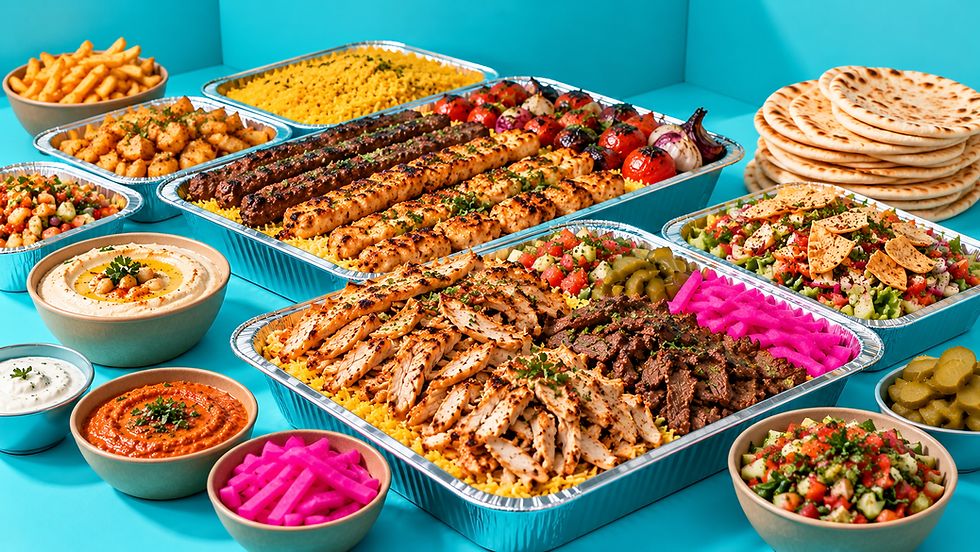
On a mezze table: alongside hummus, tabbouleh, fattoush and fresh bread
For breakfast: in many households, falafel is part of a hearty morning spread
The accompaniments matter just as much as the falafel itself. Pickled turnips (colored pink with beet), fresh herbs and a creamy tahini sauce bring balance to the richness of the fried chickpea.
Falafel at Mooring Eats
At Mooring Eats, we follow these principles because they're the ones we grew up with. Our falafel is:
Made from scratch in our kitchen, not bought frozen
Herb-packed for that vibrant green colour and fresh flavour
Fried fresh for a crisp shell and tender centre
Served with house-made tahini and pickles brined in our own kitchen
Halal and nut-free, safe for a wide range of guests
We're a family-owned Syrian restaurant built on a recipe tradition dating back to 1940, and falafel is one of the dishes that tastes most like home.
Common Myths About Falafel
"Falafel is always vegan." Falafel itself is plant-based, but sauces and breads can vary. Always ask if you have dietary needs.
"Falafel is just fried chickpea balls." The difference between a mediocre falafel and a great one is in the herbs, the soaking, the grind and the freshness.
"All falafel is basically the same." Not even close. Region, family and technique change everything.
Falafel FAQs
Is falafel made from chickpeas or fava beans? Both are traditional. Egyptian falafel (ta'amiya) is typically made with fava beans, while the Levantine versions common in Syria, Lebanon and Palestine are usually made with chickpeas, and some families blend the two.
Why is my homemade falafel falling apart? The most common causes are using canned chickpeas, over-processing the mixture into a paste, or not letting it rest before frying. Raw soaked chickpeas ground to a coarse texture usually hold together best.
Why is my falafel dry and dense? Too much flour, too little herb and moisture, or over-grinding can all produce dense falafel. A generous amount of fresh herbs and onion helps keep the centre tender.
Should falafel be baked or fried? Traditional falafel is deep-fried, which creates the signature crisp shell. Baked or air-fried versions are lighter but have a different texture.
What do you eat falafel with in Syria? Commonly with pita or saj bread, tahini sauce, tomatoes, cucumbers, pickled turnips and fresh herbs, or as part of a mezze spread with hummus and tabbouleh.
Where can I try Syrian-style falafel in Etobicoke? Visit Mooring Eats at 2481 Lake Shore Blvd W. Our falafel is made from scratch, served fresh, and available as wraps, plates and catering platters.
Try Authentic Syrian Falafel in Etobicoke
If you'd like to taste what real, from-scratch Syrian falafel is like, visit us at 2481 Lake Shore Blvd W in South Etobicoke or order for your event through our catering menu.
📍 2481 Lake Shore Blvd W, Etobicoke, ON M8V 1C5
📞 (416) 253-7171
Authentic Syrian falafel, what makes falafel authentic, Syrian falafel recipe, traditional falafel, how is falafel made, chickpea falafel, falafel Etobicoke, falafel Toronto.